earth-analogue-1
Cultivation cells
- AUnplanted— idle
Orbital agriculture · Live constellation
This constellation uses mocked planning data. It does not represent deployed Artera spacecraft, current mission capability, contracted demand, or recognized revenue.
3 kg Lettuce
3 kg Microgreens
9 kg White Potato
4 kg Microgreens
2 kg Lettuce
5 kg Lettuce
6 kg Microgreens · 10 kg Lettuce (reserved)
4 kg Microgreens (reserved) · 2 kg Lettuce
2 kg Blueberry
Every mission today is scoped around a shrinking pantry instead of the exploration itself. Artera grows food in space with a constellation of autonomous agriculture pods — positioned and orbited to meet missions where they're going.
[ ILLUSTRATIVE MAP ]
The map above animates a proposed constellation. Grow pods hold a ring of low orbits, craft rendezvous with a station orbiting the Moon, and that station resupplies the surface — the pantry grown in place, not launched from Earth.Use the cluster chips to jump between the Earth · Moon and Mars regions, then scroll to zoom, drag to pan, select a pod for its next delivery, or expand the map full-screen.
A constellation of autonomous grow pods holds a ring of low orbits in each neighborhood — clustered around Earth and the Moon, with Mars on the map as the network extends outward.
Craft fly real Kepler trajectories from the pods to a station orbiting the Moon, docking on a regular cadence.
The station replenishes the lunar base — a supply chain built in place instead of resupplied from Earth.
[ 01 / THE BOTTLENECK ]
As long as food has to be launched, stored, and resupplied on a fixed schedule, the range of every mission collapses to the size of its pantry. Artera breaks that constraint by building the supply chain in place — a distributed food network that lowers cost, mitigates risk, and offers the quiet security of knowing the food is already there.
[ 02 / THE CONSTELLATION ]
Artera grows food in-situ aboard a constellation of autonomous agriculture pods — deciding where and how to grow across the network, and how to navigate each harvest to you. The agronomy and the flight dynamics are ours to solve.
Crops are cultivated from compact supplies aboard the pods — turning launched mass into a renewing harvest instead of a shrinking pantry.
Pods hold fixed positions and orbits aligned to missions and their future outputs, so food is staged along the route before anyone arrives.
Each pod tends its own harvest and flies its own trajectory. The agronomy and the flight dynamics are ours to solve — never yours.
[ 03 / ORDERING ]
Choose what to order. Artera calculates the rest from your mission, outpost, space station, or off-world settlement — growing it and routing it automatically — and delivers fresh food on a schedule you can count on. The complexity is real. It's just not yours.
[ 04 / WHAT WE PUBLISH ]
We publish what we measure, including the results that go against us.
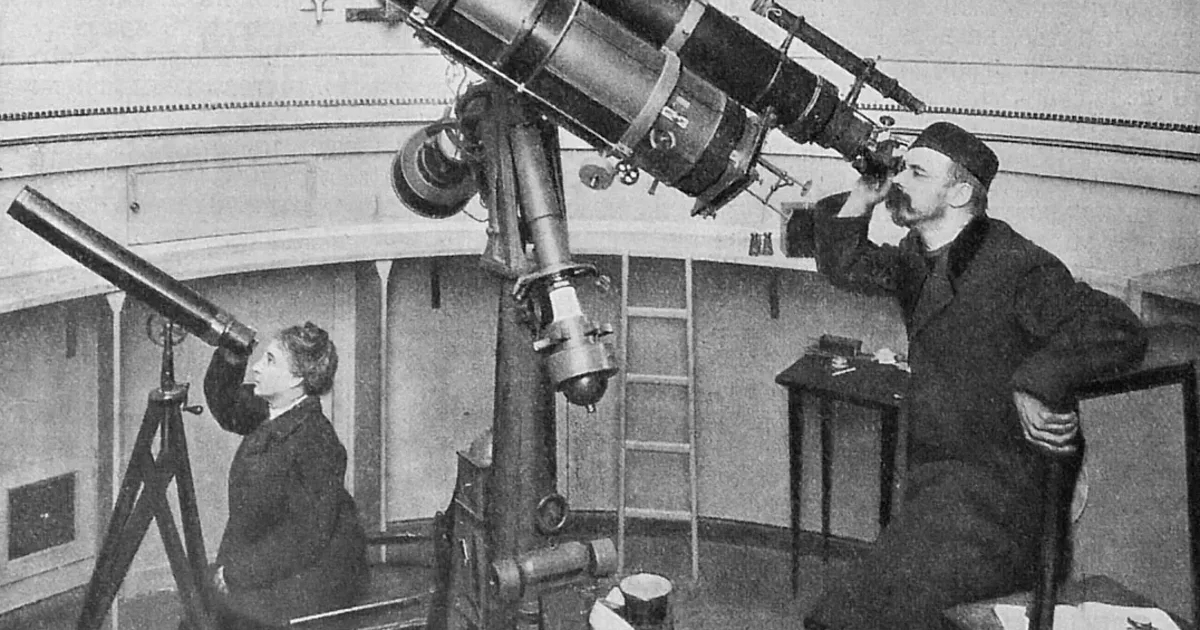
Chlorophyll devours red light, then quits within about fifty nanometres, and the leaf's own plumbing hurls the near-infrared straight back at you. That cliff is the vegetation red edge: not light a leaf emits, but light it declines to absorb.
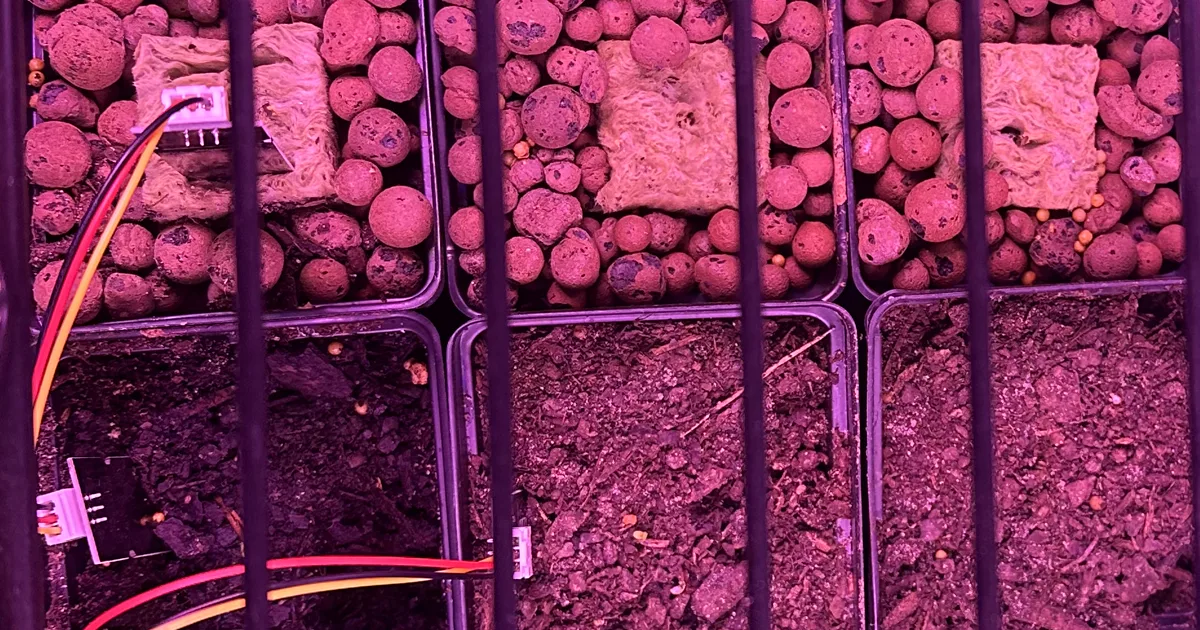
Four days after we sowed the Earth Analogue pilot, seedlings are up in both media. The bench held, the cameras caught it, and the pilot has already handed us the first thing the baseline run has to fix.
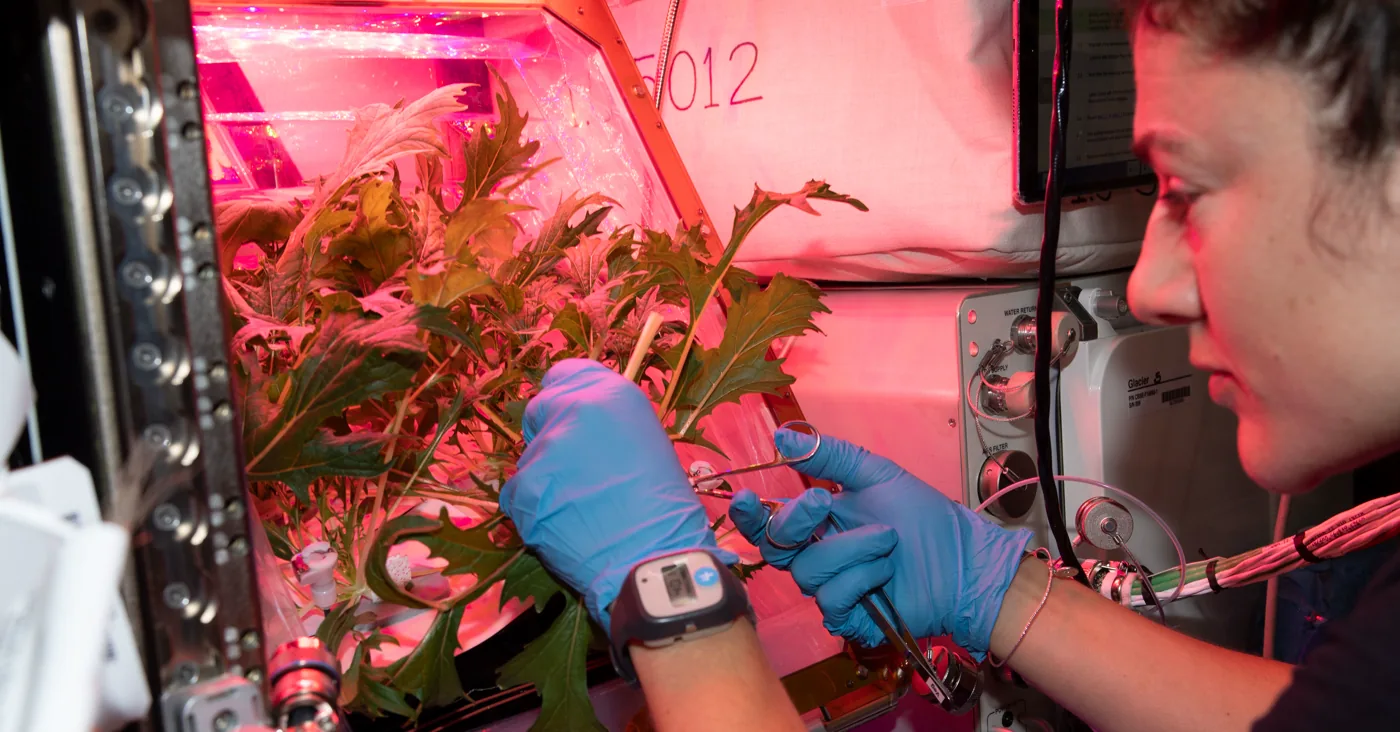
A tour of the research into growing plants in space and eating them, which for the most part has needed a human in the room.
[ 05 / GET IN TOUCH ]
We're an early-stage team out of Space City. If you're a mission planner, an investor, or an operator who wants fresh food waiting in orbit — let's talk.
contact@artera.space