Building the Earth Analogue Baseline
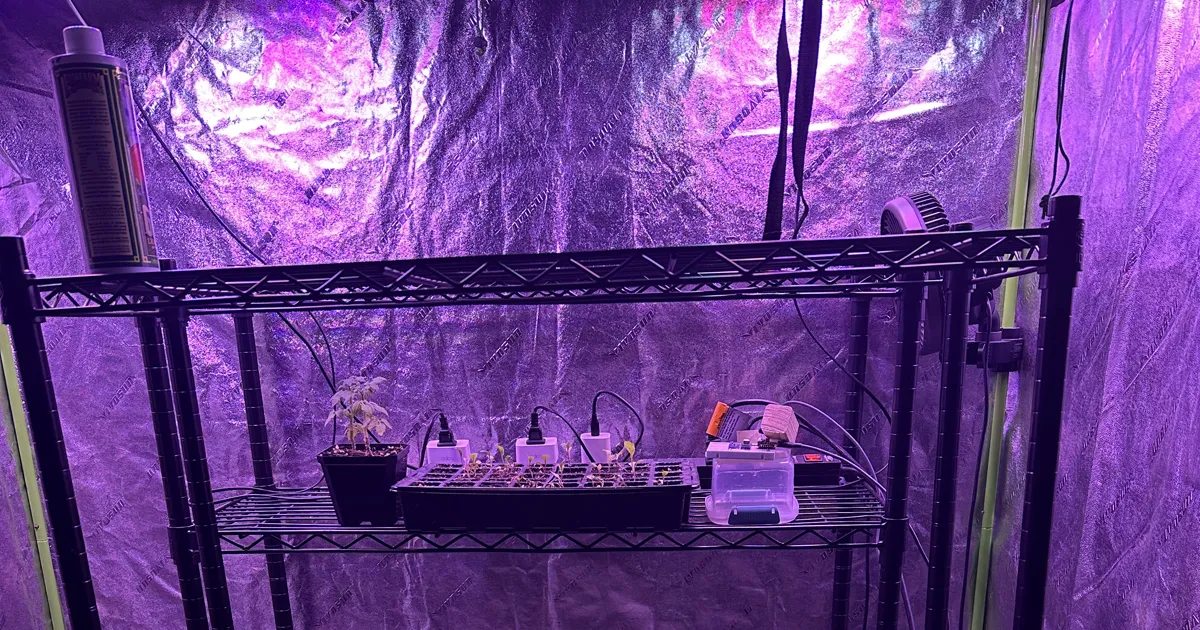
This month, Artera officially launched our very first Earth Analogue experiment. Our mission? To recreate the legendary “Outredgeous Red Lettuce” harvest that allowed astronauts aboard the International Space Station (ISS) to munch on the first-ever space-grown produce!
Starting with the basics
For the Earth Analogue Experiment, we are starting by reproducing results that are already written.
We are growing Lactuca sativa cv. Outredgeous—the fabulously vibrant red romaine that NASA successfully cultivated aboard the ISS in their Veggie plant growth system. We will grow Lactuca sativa cv. Outredgeous — the red romaine NASA grew aboard the ISS in Veggie.
The orignal paper “Microbiological and Nutritional Analysis of Lettuce Crops Grown on the International Space Station,” was primarily concerned with proving that astronauts could grow fresh, safe-to-eat produce in orbit to fend off menu fatigue.
We are primarly focused on the can we automate growing starting with building the sensor suite of hardware and the collection of the telemtry provided by those sensors.
Instrumented, which is the actual milestone
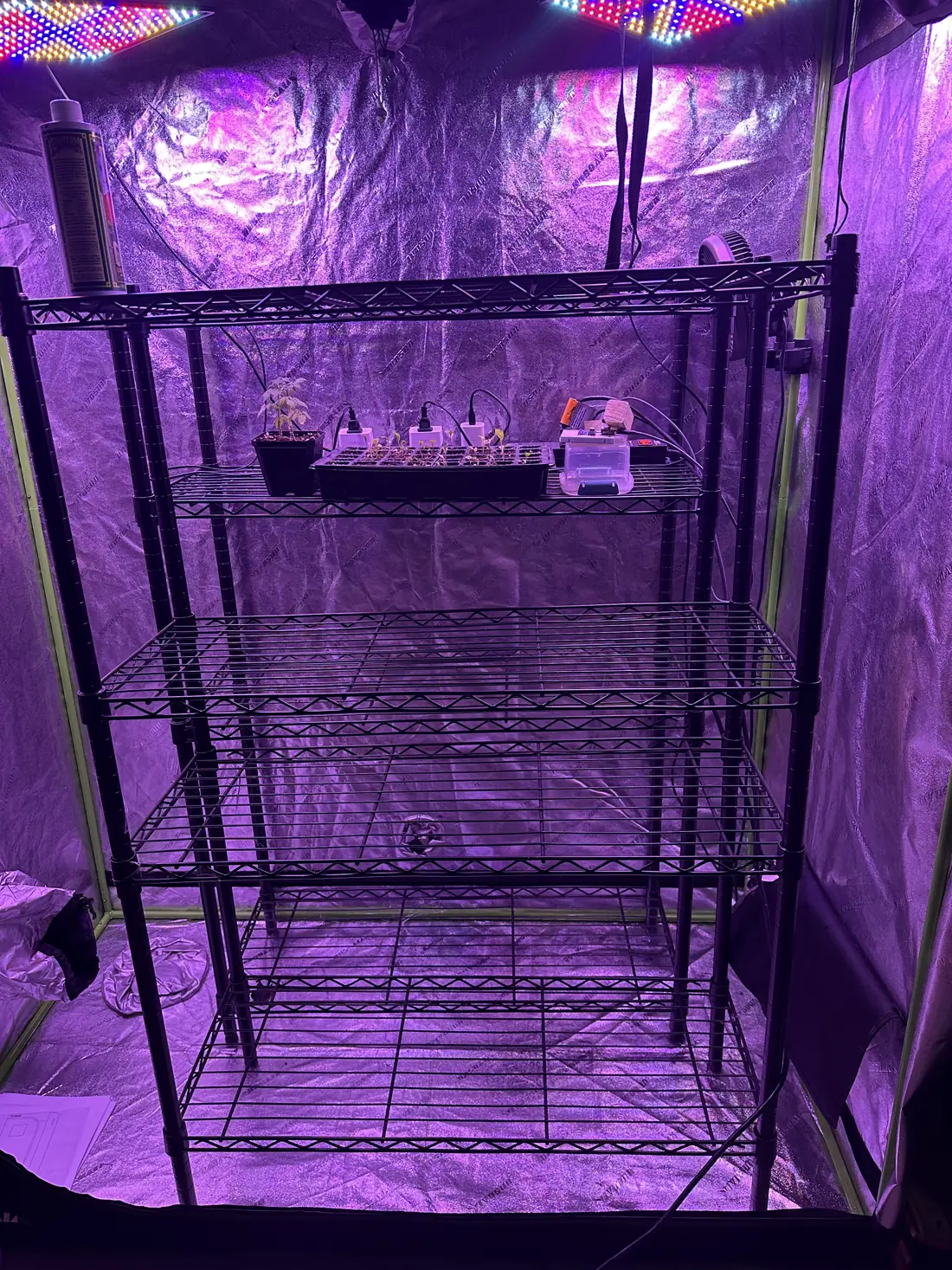
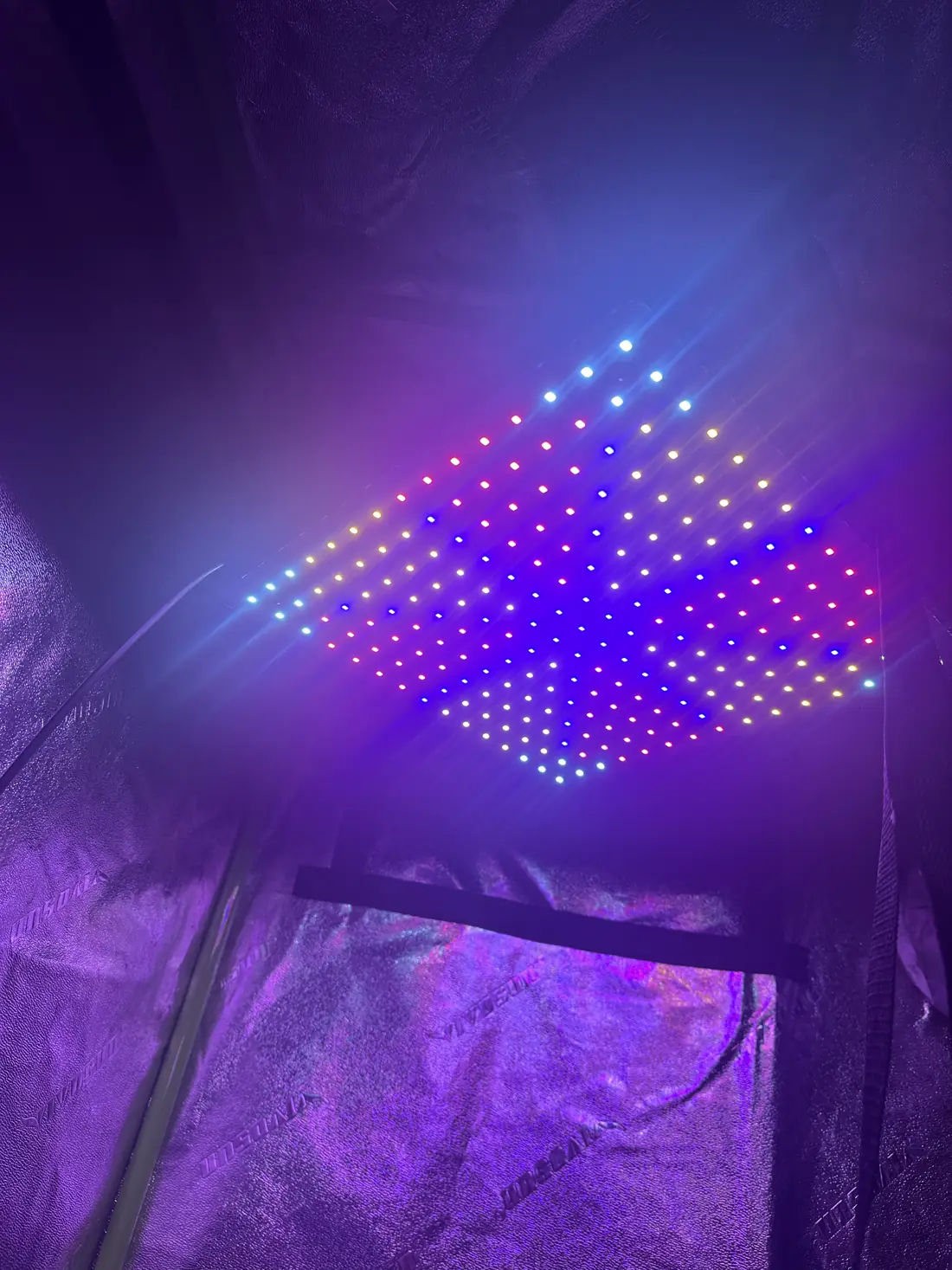
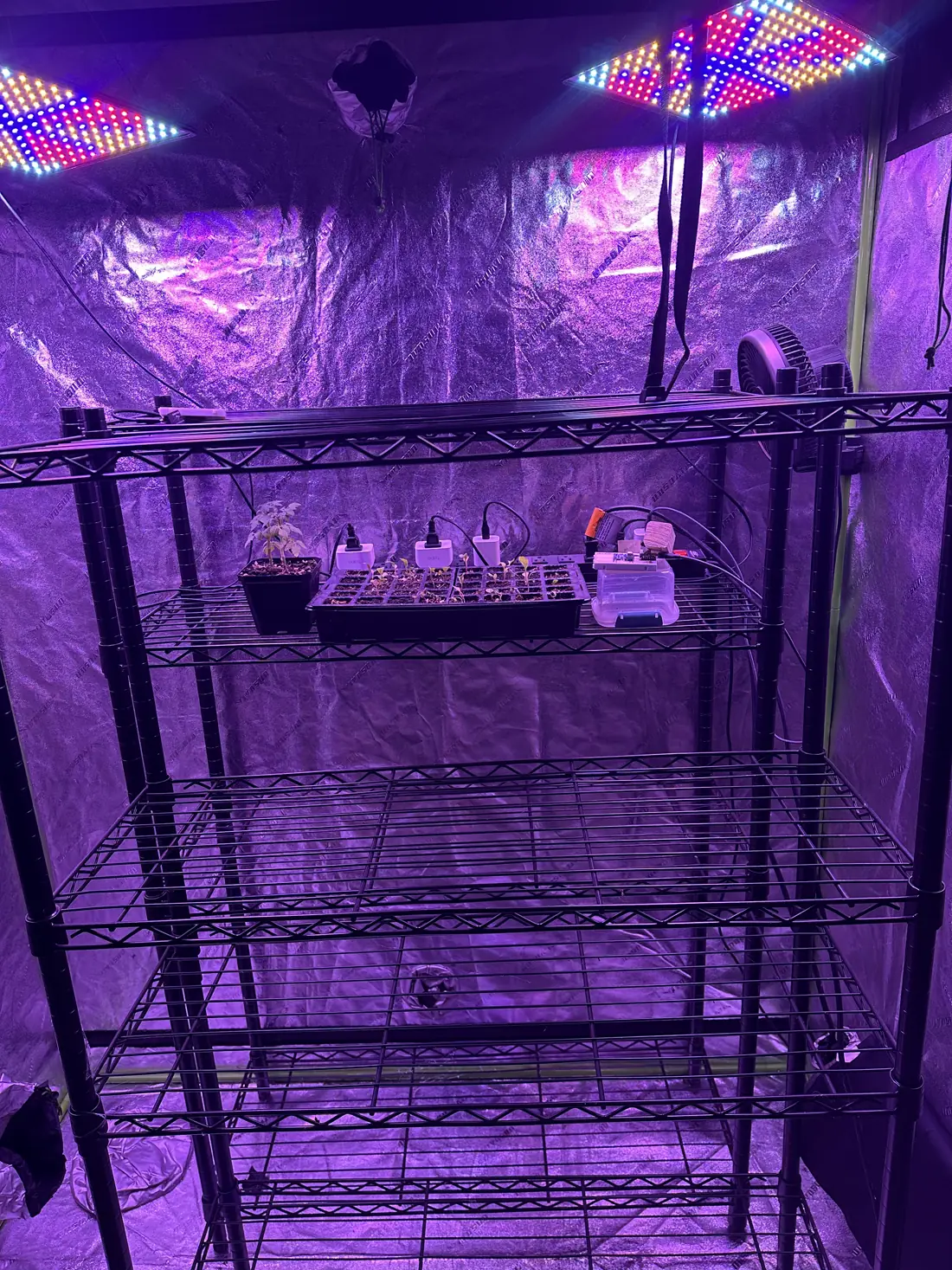
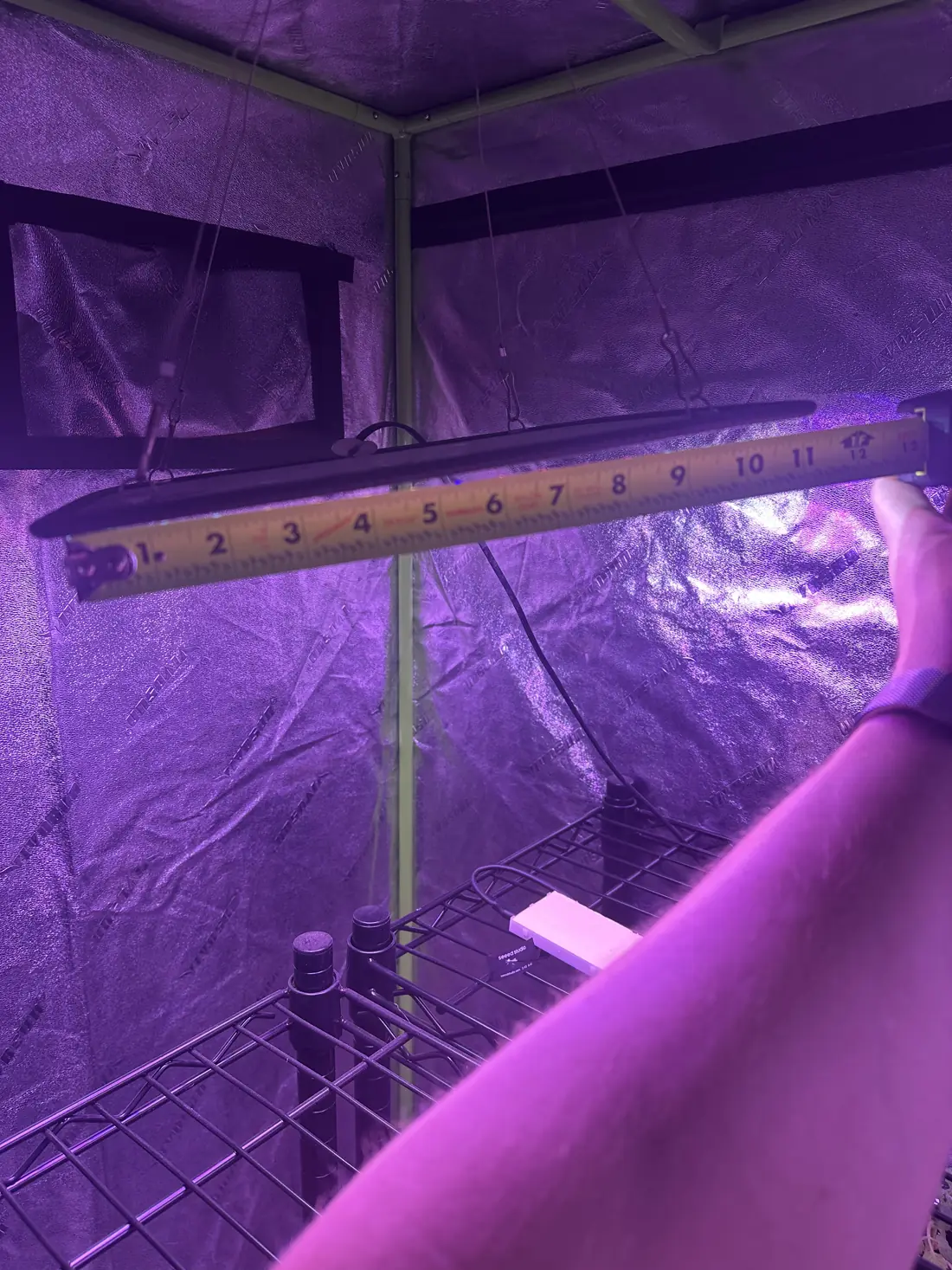
We started by utilzing a grow tent and lights kindly donated by friends of Artera.
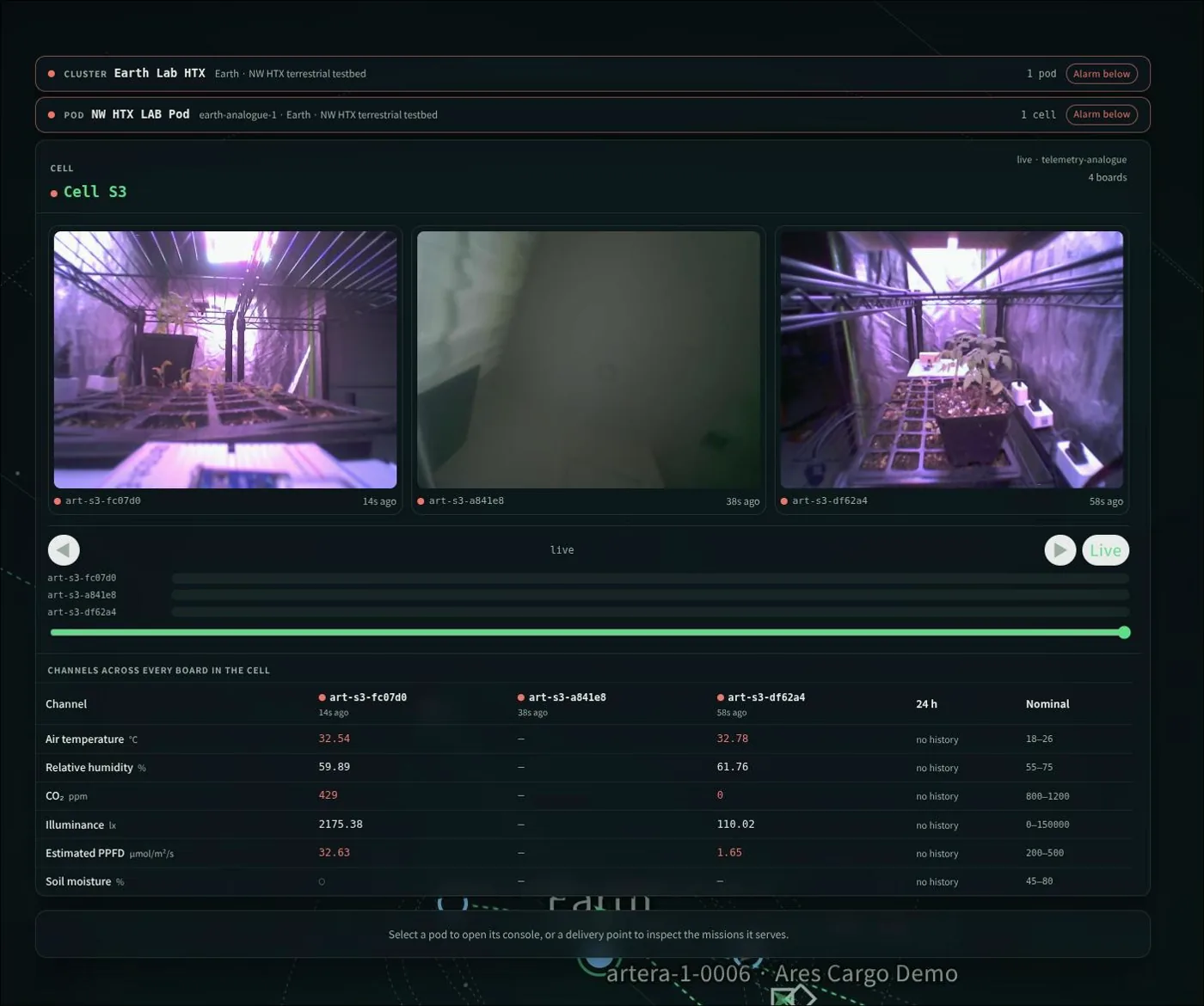
We transformed off-the-shelf ESP32 microcontrollers and standard breadboards into our very own fleet of silicon-brained garden gnomes. These little nodes are outfitted with an array of sensors actively tracking the vital signs of our leafy friends:
- Light Levels
- Humidity
- Temperature
- CO2 Levels
Two of these sensor nodes are equipped with cameras and are currently beaming a continuous stream of environmental telemetry straight into our Prometheus/Mimir Grafana stack. It’s a gorgeous, data-rich control center that makes us feel like we’re orchestrating a lunar landing from our desks.
(Fun behind-the-scenes fact: If you look closely at the control plane data, you might notice one of the bench devices is still enthusiastically pointing straight up at the ceiling in my office!) 🙃
What happens next
Once this first baseline run is complete, we’re going to crunch the numbers (and the lettuce) to see how our Earth-bound metrics stack up against NASA’s original paper.
But we aren’t stopping at data collection! Our next giant leap is engineering fully automated watering and feeding systems. We’re talking closed-loop, self-sustaining hydration stations that will take all the guesswork out of plant care.
Stay tuned as we continue building the ultimate robotic green thumb!